
EVENTS AND PROGRAMS
What’s Next at GCB
Learn more about and register for our upcoming events!
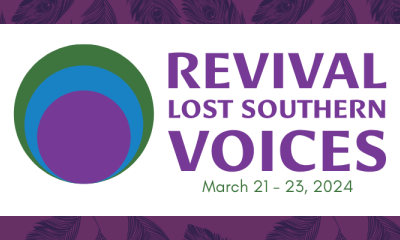
Revival: Lost Southern Voices
Check out Revival: Lost Southern Voices, a festival for readers, that celebrates historically excluded, erased, or marginalized Southern voices.
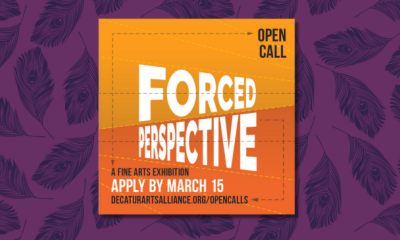
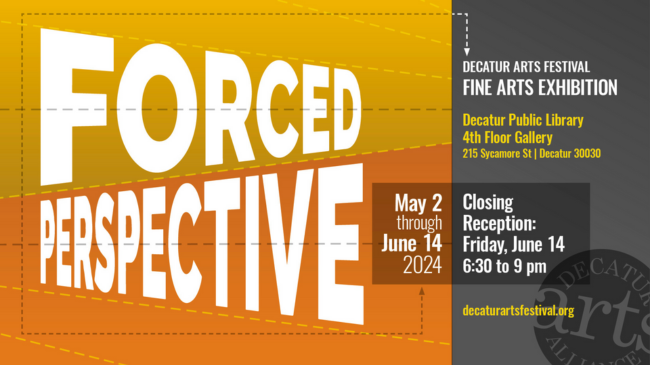
Fine Arts Exhibition
Admire the work in the 2023 Fine Arts Exhibition, part of the Decatur Arts Festival, online. The show was held in the newly renovated 4th Floor Gallery of the Decatur Library, from May 4 to June 16. The theme was “Small Changes,” and the artwork on display was no larger than 24 inches in any direction. Learn more here, and check out the Call for Entries for the 2024 show here.
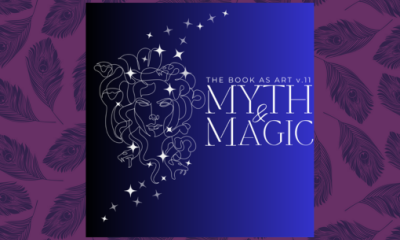
The Book As Art
Discover The Book As Art v.11: Myth & Magic, which was open September 7th — October 30th, 2023, on the Fourth Floor of the Decatur Library, and learn more about previous exhibitions as well.
Georgia Poetry in the Parks
Visit the online home of Georgia Poetry in the Parks, a celebration of Georgia poets and Georgia’s green spaces. Look out for some exciting news about the future of this project soon.
GCB on YouTube
Explore the digital archive of our previous virtual or hybrid events on our YouTube channel.
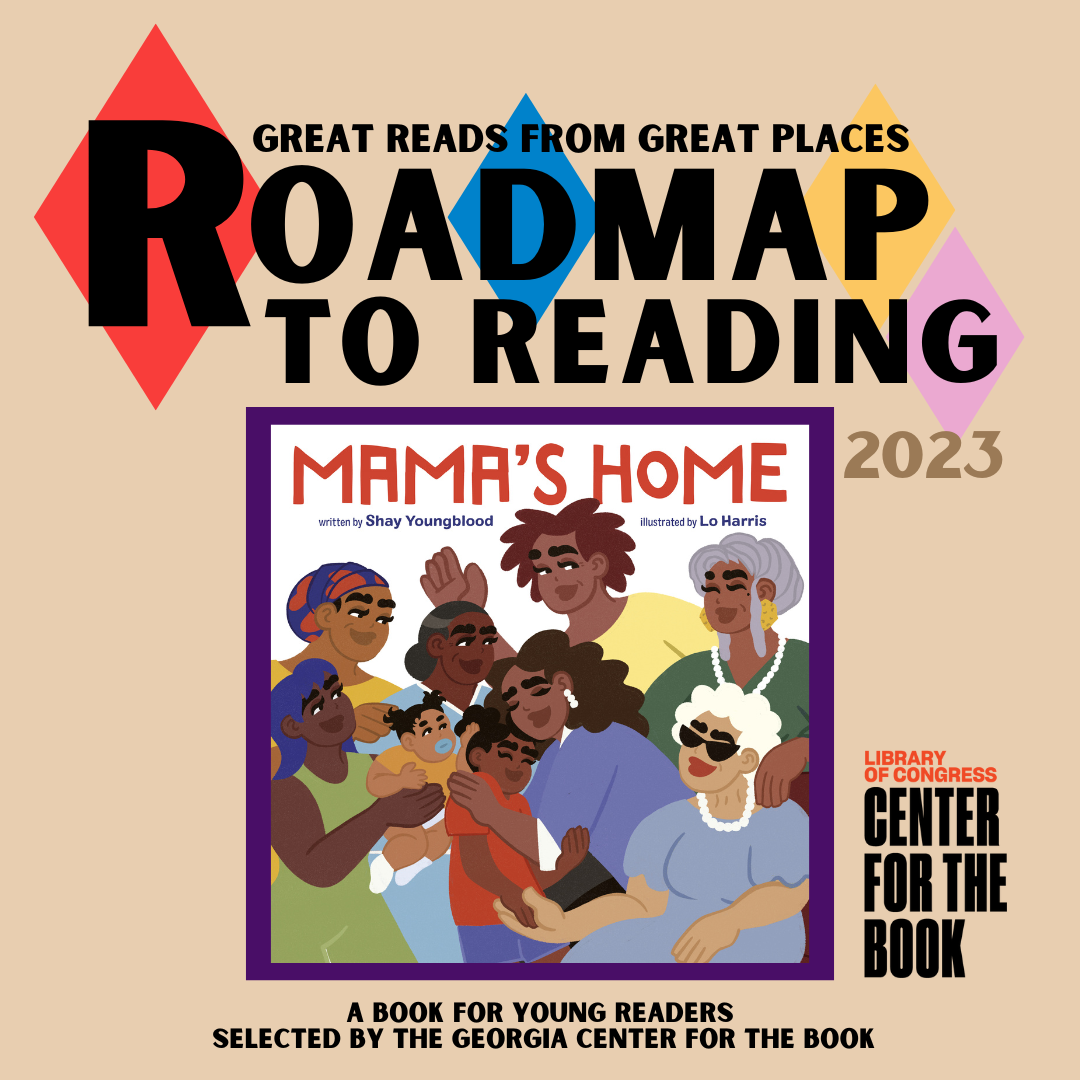
Roadmap to Reading: Great Reads from Great Places
Every year, a list of books representing the literary heritage of the 50 states, the District of Columbia, Puerto Rico and the U.S. Virgin Islands is distributed by the Library of Congress’s Center for the Book during the National Book Festival. For 2023, states picked both a Young Readers’ Selection and an Adult Readers’ Selection. The Young Reader’s Selection is Mama’s Home by Shay Youngblood, illustrated by Lo Harris.
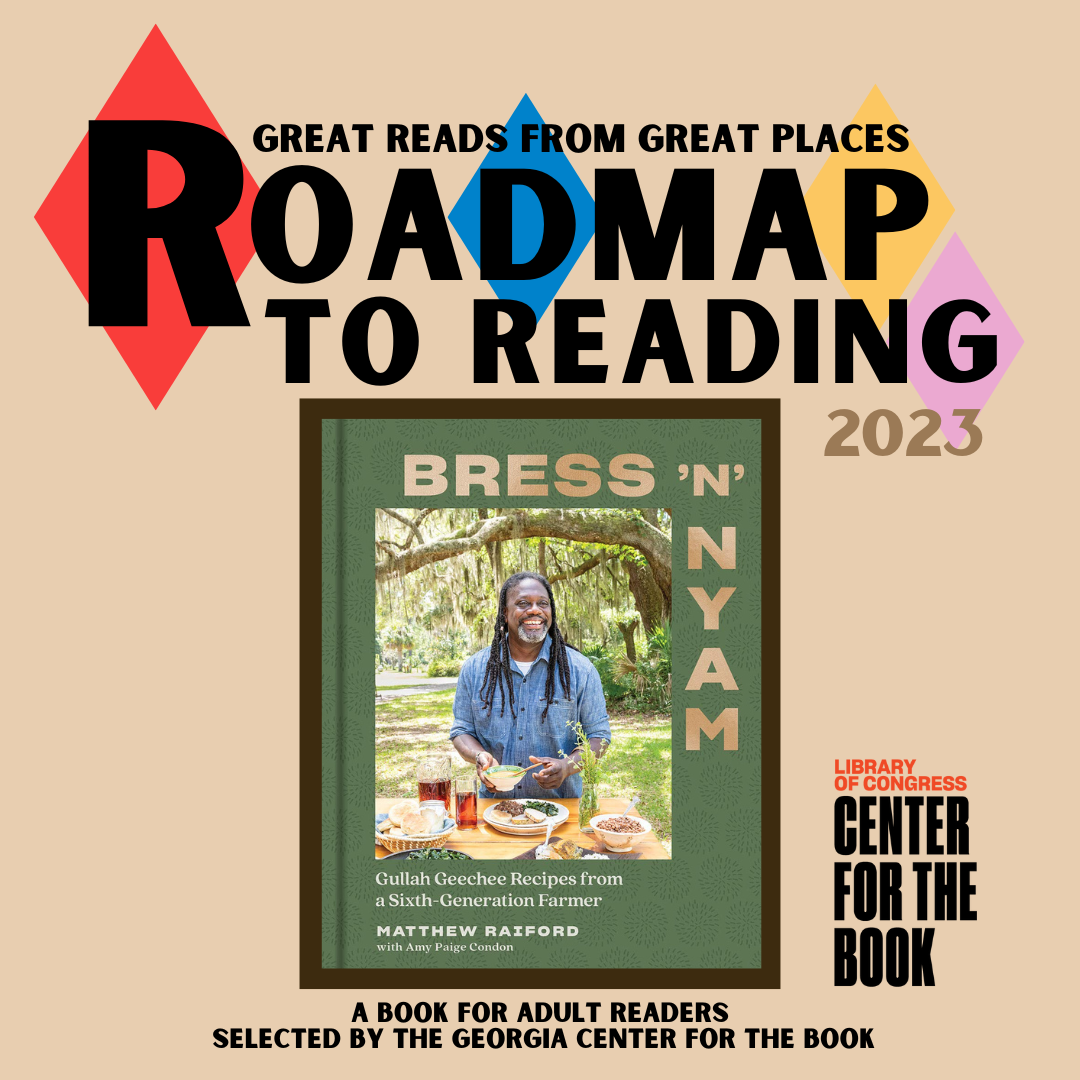
Roadmap to Reading: Great Reads from Great Places
Every year, a list of books representing the literary heritage of the 50 states, the District of Columbia, Puerto Rico and the U.S. Virgin Islands is distributed by the Library of Congress’s Center for the Book during the National Book Festival. For 2023, states picked both a Young Readers’ Selection and an Adult Readers’ Selection. The Adult Reader’s Selection is Bress ‘n’ Nyam: Gullah Geechee Recipes from a Sixth-Generation Farmer by Matthew Raiford (with Amy Paige Condon).
BOOKS ALL GEORGIANS SHOULD READ
Books All Georgians and Young Georgians Should Read 2024
Check out the 2024 lists of Books All Georgians and Books All Young Georgians Should Read!
Monthly Featured Books & Resources
Learn more about and find resources for our featured books each month (from February to November) from the 2024 Books All Georgians and Young Georgians Should Read!
Previous Books All Georgians Should Read Lists
Explore lists of Books All Georgians Should Read from previous years.
Previous Books All Young Georgians Should Read Lists
Discover Books All Young Georgians Should Read from years past.
@gactr4thebook on Instagram
See the latest Georgia Center for the Book news
Sign up for our newsletter to keep up with what's new at Georgia Center for the Book
Georgia Center for the Book is hosted by


and is an affiliate of